The Royal seal and Majesty Collection
Introduction
Ever since I was a child, I have been devoted to a special hobby: metal detecting. I loved being out in nature, finding old objects and coins that people once lost or deliberately left behind. When you find something like that and hold it in your hands, history comes to life.
But what makes something truly personal? In the age we live in now, information is everywhere and communication takes hardly any time at all. In the past, things were very different. You wrote a letter that was sometimes months on its way. There was no track & trace and no registered mail, and you could never be sure your message would arrive.
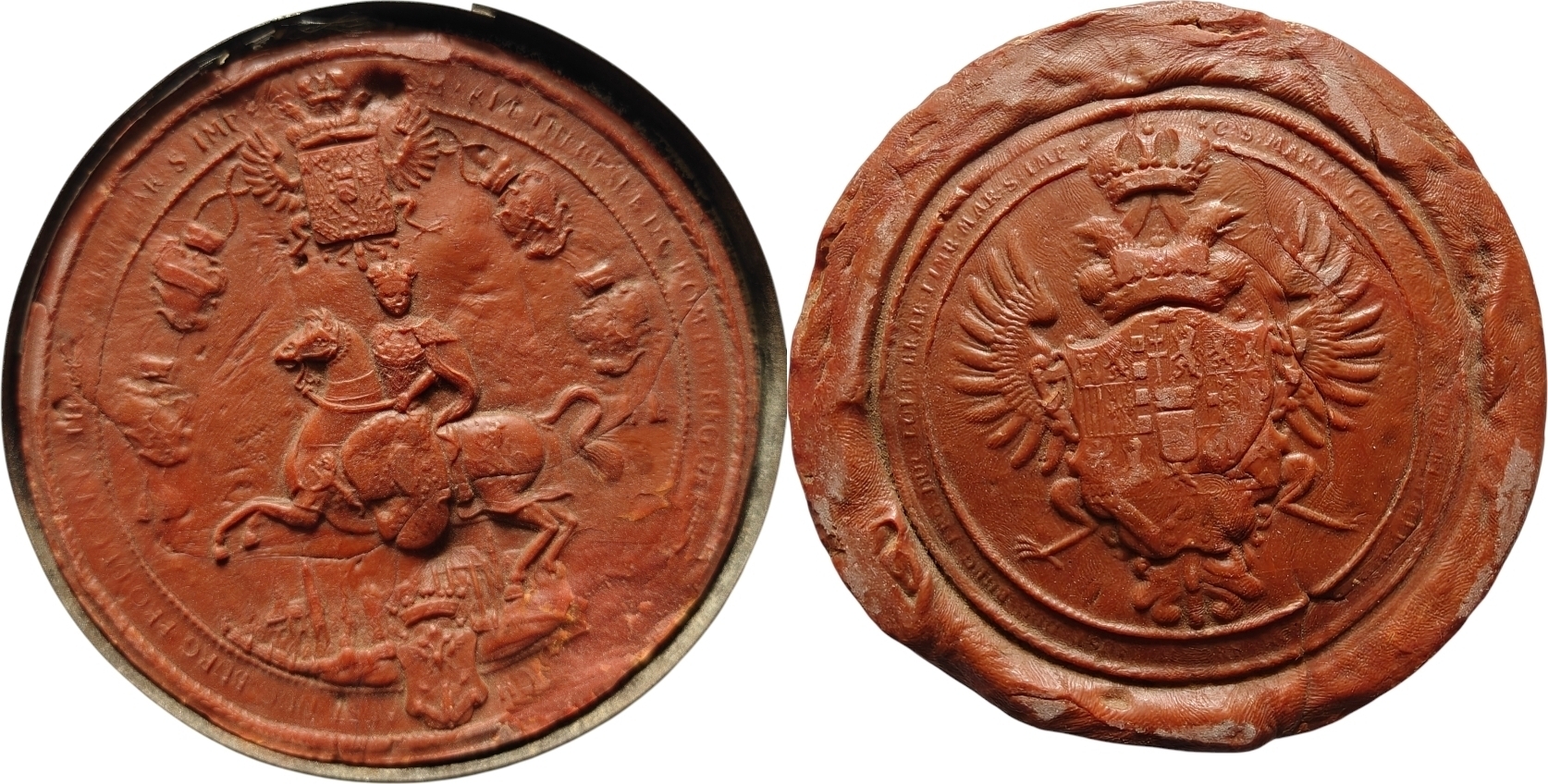
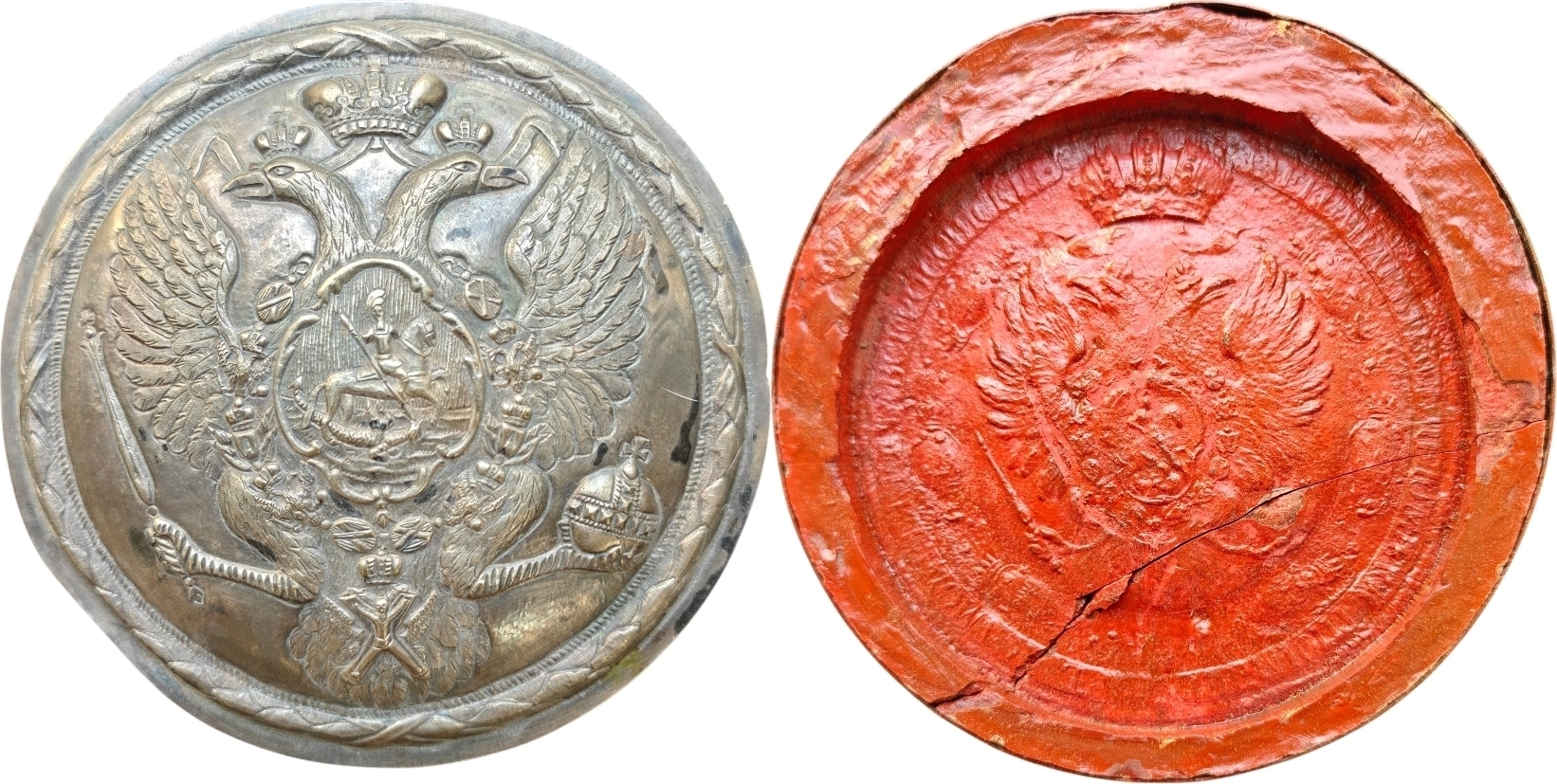
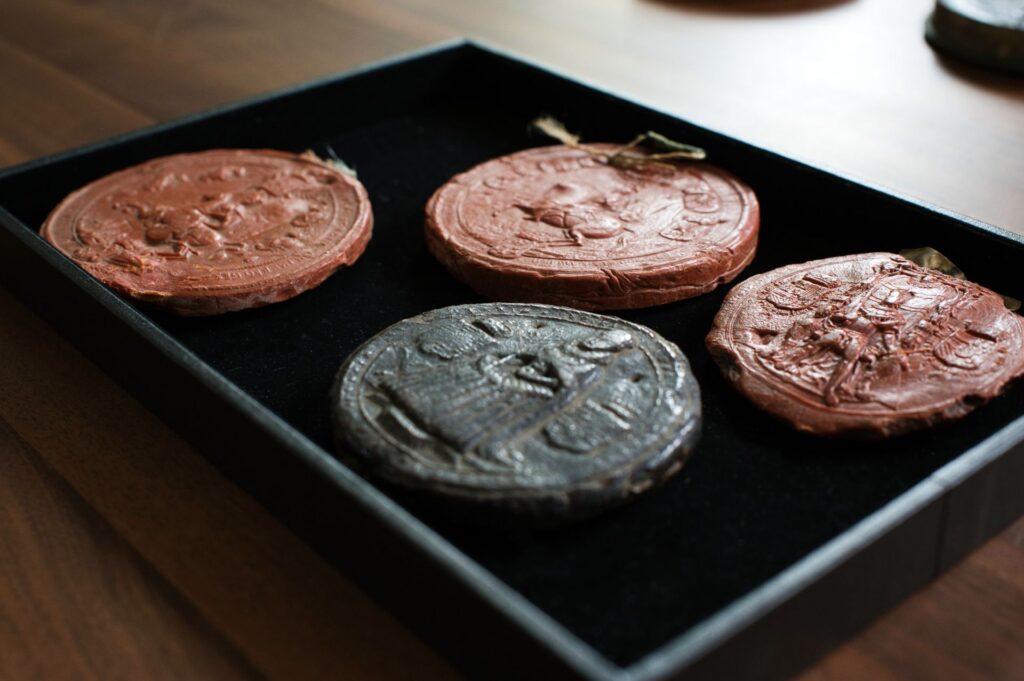
To make a document personal and trustworthy, a seal was attached to it or pressed onto it. The great majesty seals of monarchs were often more than ten centimetres across. They bore an image on both sides and, thanks to their fine detail, were almost impossible to copy. Hanging from a charter, they were true works of art.
What appeals to me so much is, on the one hand, their size and beauty, and on the other, the story behind them. You hold in your collection something from kings, queens, tsars and Holy Roman Emperors. Something unique, bound up with an enormous amount of history: the events of that time, but also the struggles and wishes written in the documents, or that had to be talked through.
A seal makes something personal and unique. You convey yourself to the other person: how you think, what you wish for and what you long for.
Sometimes a story arrives at exactly the right moment. Sometimes it never reaches its destination.
That is also the beauty of communication. It can go in any direction. Mistakes are made, and sometimes it takes a long time to set things right. Yet it always remains something personal. It makes us who we are and suits every person, with his or her own thoughts and ideas.
And so every seal is a personal object with a story we will probably never fully know.

About the collection
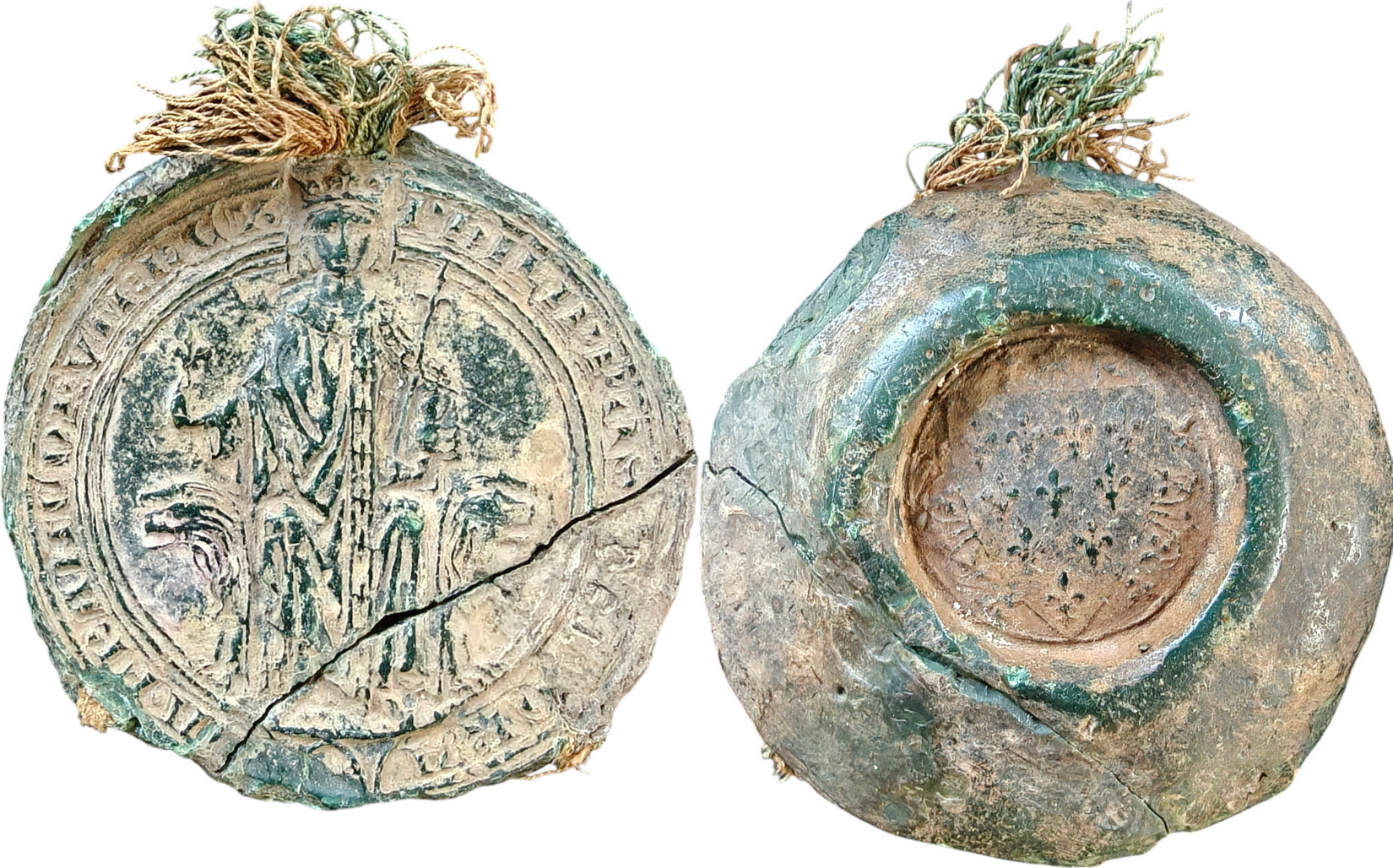
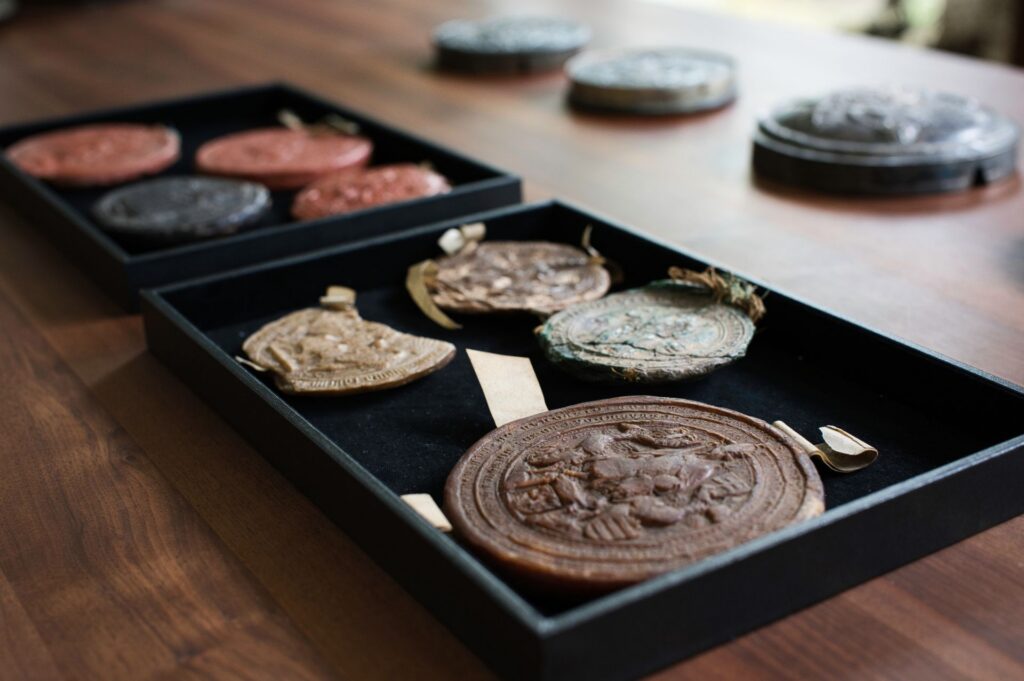
The oldest seal in the collection dates from 1285, from the time of the French king Philip IV. The most recent comes from the 20th century. The collection therefore spans more than seven centuries of history, and it remains open to even older pieces. Each seal is special in its own right. But only side by side do they tell a greater story: that of monarchs and emperors who quite literally left their stamp on history, and with it on how we see the world today.
Seven centuries of power in wax
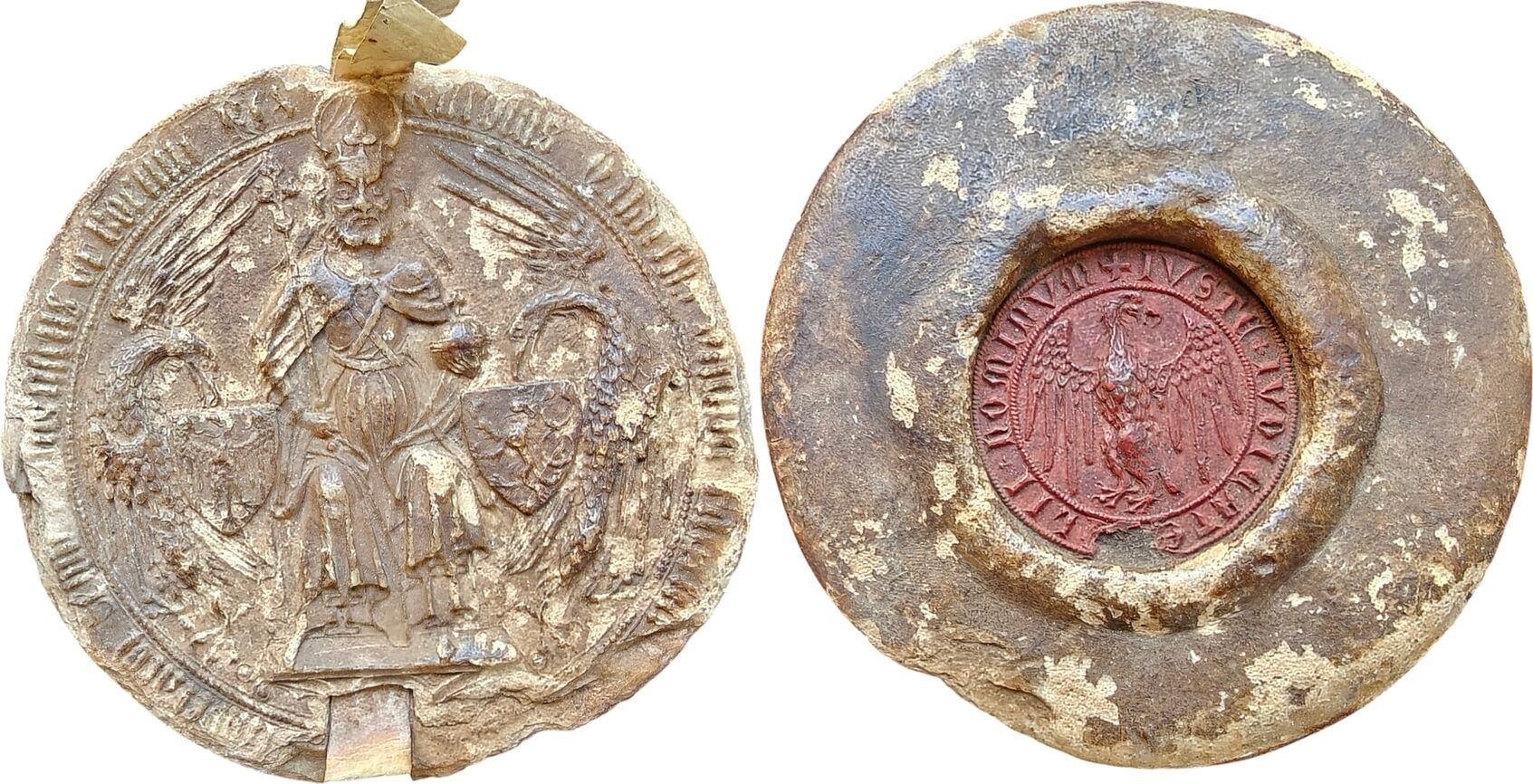
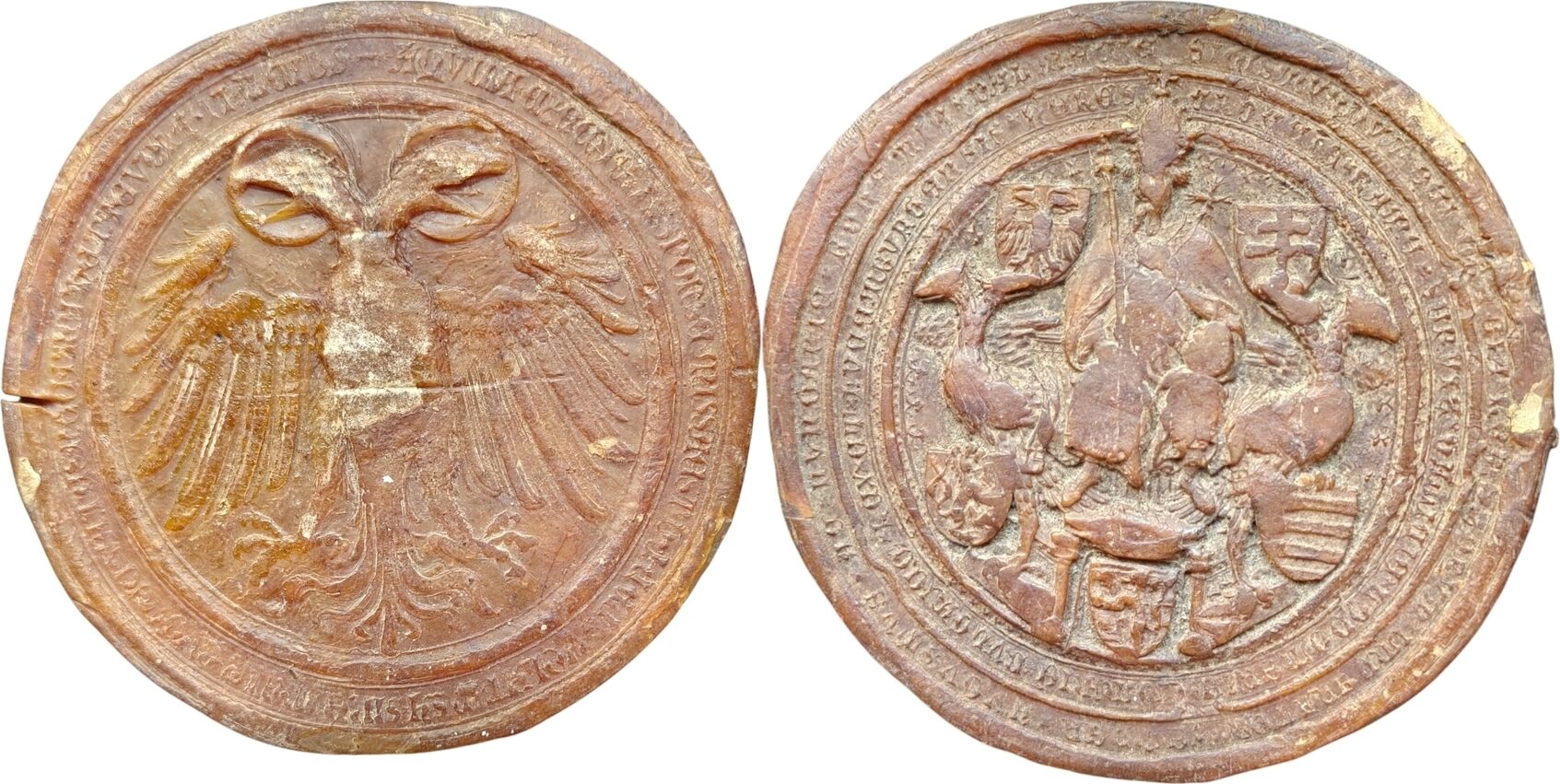
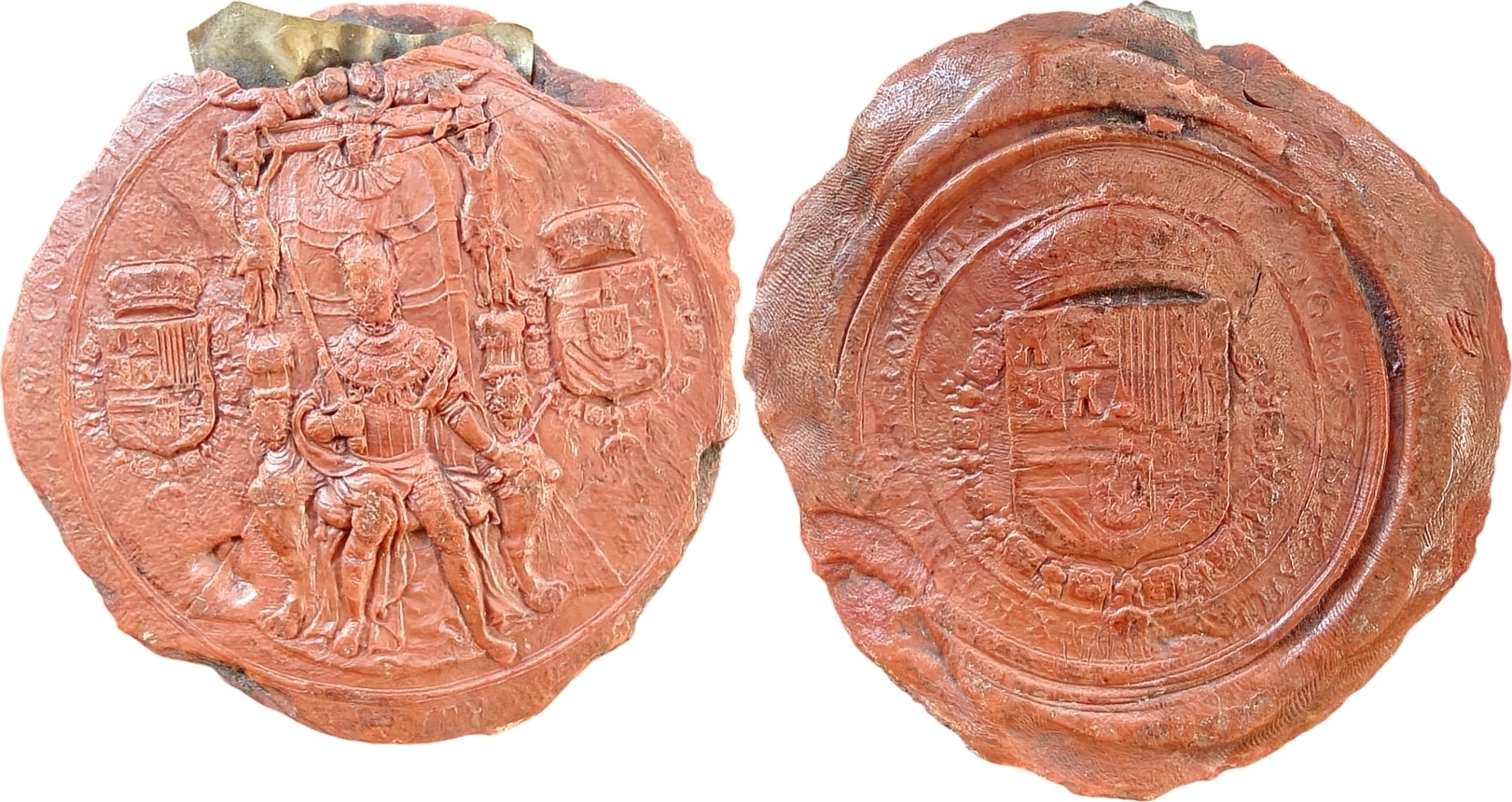
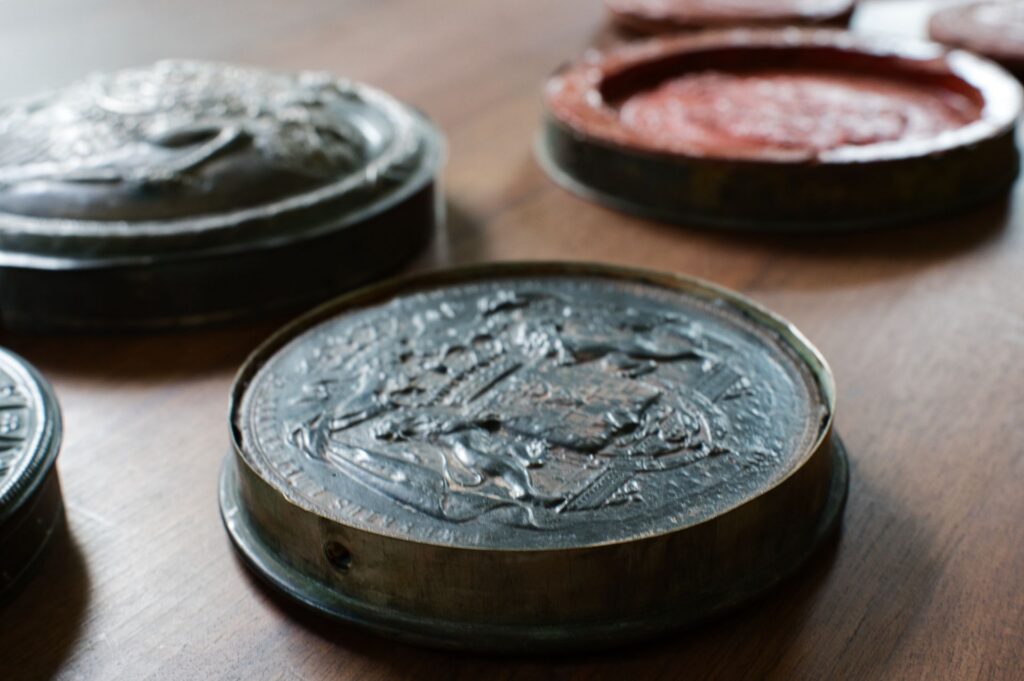
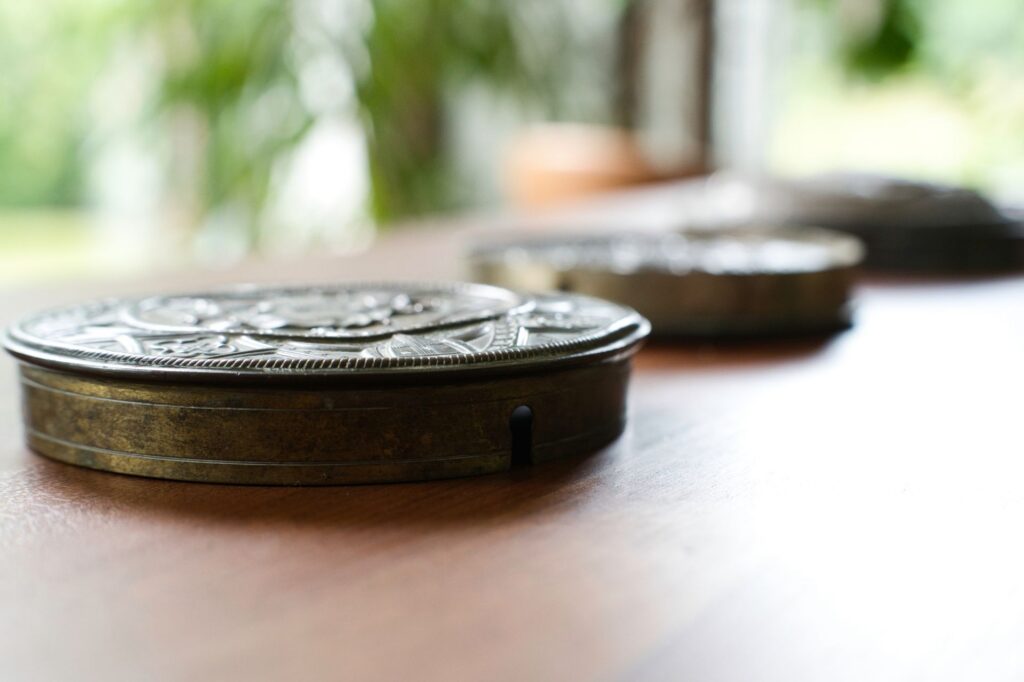
The majesty seal shows the ruler seated on the throne, with crown, sceptre and orb. It is the image of authority. The reverse often shows a horseman or a coat of arms. Place the seals in order, and you can see how that image develops over the centuries. The strict, stylised figures of the Middle Ages gradually give way to the rich detail and baroque splendour of later centuries. In the 18th and 19th centuries, the large wax seals were increasingly protected in a metal case, known as a seal box or skippet.
All of Europe in one collection
The seals come from different parts of Europe: the France of Philip IV, the Holy Roman Empire of Emperor Charles IV and Emperor Sigismund, the Spain of Philip II, the England of Queen Anne, the Habsburg realm of Maria Theresa and Joseph II, the Russian Empire and the Kingdom of Italy. Each country had its own style, its own symbols and its own way of displaying power. It is precisely these differences that make comparing them so fascinating.
More than separate objects
Together, the seals show how authority, art and communication developed in Europe. They hung from treaties, privileges, appointments and grants. These were decisions that changed lives and lands. In this way, the seals form a timeline you can hold in your hands: from the medieval kings to the last monarchs of the 20th century.
That is why this is not a set of separate pieces, but a collection. Each seal is a chapter, and together they tell the story.
Until the year 1500
After the year 1500
Questions or remarks
The Royal Seal and Majesty Collection is still growing, and so is the research into the seals. Behind every piece lies a story that I try to unravel step by step. Along the way, I have been greatly helped by archivists, researchers and collectors who were willing to share their knowledge.
Do you have questions about the collection, do you know more about one of the seals, or do you see something that could be added or corrected? I would love to hear from you. And if you collect seals yourself, would like a seal examined, or know of a piece that would fit well in this collection, please feel free to get in touch. I always enjoy exchanging thoughts with others about these remarkable objects.